

Why Haircare Ingredient Trends Matter in 2026
Haircare is shifting from cosmetic quick fixes toward science-backed, health-focused, and highly segmented solutions across price points and channels. Brands that understand ingredient trends early can design futureproof formulations, messaging, and claims that resonate with informed consumers. In 2026, the biggest growth opportunities sit at the intersection of scalp science, bond repair, biotech actives, and food inspired wellness.
Macro Forces Reshaping Haircare
Consumers now see hair health as part of holistic wellbeing rather than separate from overall lifestyle and stress management. Gen Z and Millennials drive demand for transparency, clinical proof, and ingredient stories grounded in measurable results, not just sensorial claims. Digital platforms accelerate niche trends like fermented actives, rosemary oil, and bond repair, then rapidly normalize them into mass markets.
Trend 1: Scalp Microbiome as the New Frontier
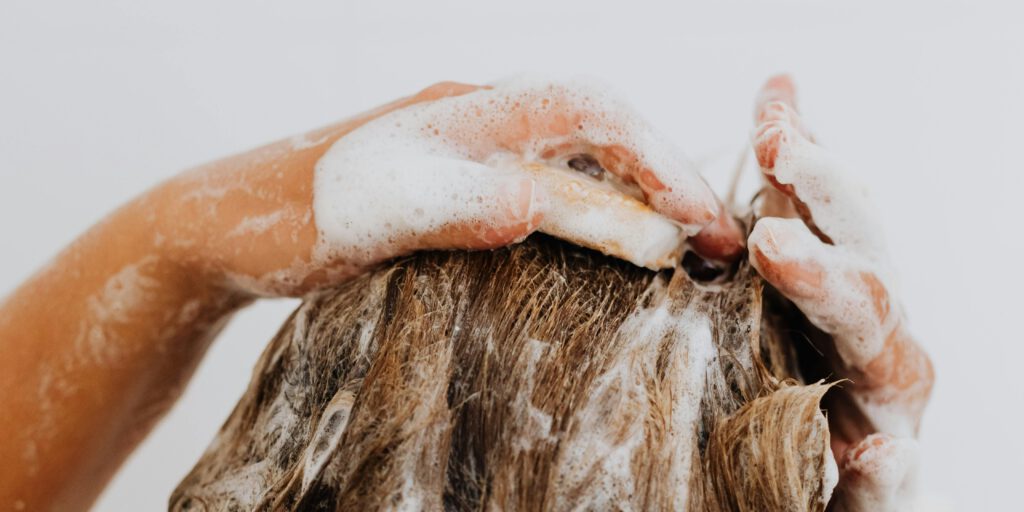
The scalp microbiome is becoming a central focus as brands move from surface cosmetic claims toward root cause hair health solutions. Recent research shows that scalp microbial communities shift with shampoo use, oil balance, and moisture levels over several weeks. Studies also highlight that hair follicles can act as reservoirs for the scalp microbiome, linking scalp, follicle, and hair as one system.
Brands are responding with prebiotic, probiotic, and postbiotic blends designed to balance microbial diversity and reduce scalp irritation. These formulations target issues like dandruff, dryness, and thinning by improving barrier function instead of only masking visible symptoms. Scalp serums, essence mists, and leave-on treatments using microbiome language are expected to expand across premium and masstige channels.
For formulators, microbiome friendly surfactant systems and oils like coconut derivatives show potential to support hydration and barrier repair. Suppliers are also leveraging skin microbiome expertise and data platforms to inform new scalp care concepts and claims. Positioning around “microbiome mindful” or “microbiome friendly” can align haircare messaging with broader skin health narratives.
Trend 2: Bond Building and Damage Repair Science
Bond building has moved from niche salon treatments to a mainstream expectation in both professional and at home haircare. The global bond building market is projected to nearly double from 2023 to 2030, driven by damage repair and strengthening needs. Market analysis suggests bond repair haircare could grow from low billions in 2024 to several billion by 2033 globally.
Consumers now associate chemical services like bleaching and coloring with mandatory bond repair steps to maintain hair integrity. Technologies that rebuild or protect disulfide bonds inside the hair shaft are being integrated into shampoos, masks, and color kits. Biotech peptides and biomimetic actives that work at the molecular level are emerging as differentiators in crowded repair categories.
For brands, opportunities include hybrid formats that combine color care, bond repair, and heat protection in lighter textures. Data driven storytelling around bond repair speed, breakage reduction, or color retention supports premium positioning in 2026 launches. B2B ingredient suppliers that pair in vitro data with salon trial results will be strongly positioned when pitching new bond technologies.
Trend 3: Skinification of Hair and Scalp
Skinification describes the migration of skincare philosophies, textures, and ingredients into hair and scalp product development. Ingredients like hyaluronic acid, niacinamide, ceramides, and probiotics now appear in shampoos, scalp serums, and hair essences. Brands use these familiar skincare ingredients to help consumers understand benefits such as hydration, barrier support, and soothing.
Research from major beauty companies on the skin microbiome is being repurposed to inform next generation scalp care. This crossover supports holistic stories where the scalp is treated as an extension of facial skin rather than just hair roots. Formats like exfoliating scalp toners, acid based scrubs, and serum textures are expected to mature further by 2026.
Skinification also drives demand for milder surfactants, barrier friendly conditioning systems, and lamellar style treatments. Lamellar water type formulas that deliver lightweight shine and smoothness are cited as standout skin inspired concepts. Positioning around “scalp barrier,” “hydration,” and “sensitivity” aligns with dermatologist-led messaging consumers already trust in skincare.
Trend 4: Fermented and Bioactive Ingredients
Fermented haircare is emerging from niche status as brands leverage bioferments for soothing, antimicrobial, and conditioning benefits. Cosmetic chemists highlight rice ferments, kombucha derivatives, and other bioferments for improving scalp comfort and sebum balance. These ingredients support antimicrobial activity without overly stripping natural oils, which can help sensitive or irritated scalps.
Fermentation is also attractive from a storytelling perspective, linking traditional processes with modern biotech capabilities. Bioferments can allow more efficient delivery of amino acids, peptides, or humectants while supporting cleaner label narratives. Brands combine ferment based actives with microbiome focused marketing to create holistic scalp wellness propositions.
In parallel, biotech platforms are enabling precision designed peptides and biomimetic ingredients for repair and protection. These solutions often come with strong lab data on damage reversal, breakage reduction, or cuticle smoothing, supporting premium pricing. For 2026 launches, combining ferment stories with measurable performance metrics can appeal to both emotional and rational buyers.
Trend 5: Natural Oils, Botanicals, and Food-Inspired Actives
Food inspired ingredients are rising as consumers connect diet, wellness, and hair health across topical and ingestible formats. Turmeric, coconut, amla, and adaptogens are highlighted as examples bridging wellness narratives and hair nourishment stories. These ingredients allow brands to align with beauty from within conversations even in purely topical haircare ranges.
Consumer interest in botanical oils continues, with rosemary oil and castor oil firmly established as hair growth and strength heroes. Newer botanicals like awapuhi (Hawaiian ginger plant), fenugreek (clover-like herb), hibiscus, and moringa gain traction through social media driven education and testimonials. These botanicals often feature in curl care, scalp oils, and intensive masks targeting dryness, breakage, and thinning concerns.
Coconut derived ingredients also show evidence for supporting scalp hydration and influencing microbial community function. This supports their use in microbiome friendly scalp products rather than only in traditional conditioning formulas. Brands that highlight both traditional use and emerging data can strengthen credibility with ingredient savvy consumers.
Trend 6: Keratin, Proteins, and Lightweight Conditioning Systems
Keratin remains a cornerstone ingredient for consumers seeking long term strengthening, frizz control, and heat protection benefits. Brands are innovating with biomimetic keratin proteins designed to better match hair’s natural structure for improved affinity and performance. Keratin containing shampoos, leaves in mists, and treatments are highlighted as strong performers within strengthening focused portfolios.
Alongside keratin, plant proteins and modern conditioning agents answer demand for lightweight, build up free nourishment. Lamellar water treatments, hemisqualane (emollient from fermented sugarcare), and squalane based systems deliver shine and smoothness without heavy silicones. These technologies support claims around “weightless repair” and “thin hair friendly” conditioning, which are increasingly important segmentation angles.
For brands, blending keratin, peptides, and modern emollients enables layered propositions across textures and price tiers. Data on breakage reduction, combing force, and surface smoothness can be translated into simple consumer facing benefit language. This combination helps bridge technical performance metrics and everyday concerns like frizz, tangling, and styling damage.
Trend 7: Personalized, Data-Driven, and Sensorial Experiences
Beauty trend forecasts for 2026 emphasize smart personalization, diagnostic tools, and emotionally resonant routines. In haircare, this translates into quiz based recommendations, scalp imaging, and AI supported analysis guiding ingredient selection. Advanced diagnostics for scalp health are already emerging, enabling more targeted microbiome and barrier focused product choices.
At the same time, sensorial details like textures, scents, and ritualized steps remain crucial for consumer loyalty and habit formation. Trends show interest in lightweight mists, cloud like creams, and oils that support relaxing or energizing routines. Brands that combine data backed claims with enjoyable usage moments can better differentiate in crowded digital channels.
Ingredient stories play a central role in this personalization narrative across topical and ingestible haircare. Consumers expect clear explanations of how each key active contributes to scalp balance, strength, or growth outcomes. For B2B players, providing modular story frameworks and educational content can help downstream brands translate science into marketing.
Strategic Implications for Formulators and Brand Teams
Segmenting haircare portfolios by concern rather than only by hair type allows more focused ingredient deployment. Scalp sensitivity, breakage from chemical services, hormonal shedding, and textured hair dryness each call for specific active combinations. Brands can map these concerns against trending technologies like microbiome actives, bond repair peptides, and lamellar systems.
Data backed insights from clinical, in vivo, or robust in vitro studies should anchor claims and positioning in 2026. Partners that can supply both ingredients and storytelling assets will make it easier for brands to launch faster. B2B marketers should highlight trend fit, regulatory readiness, and claim territories alongside classic technical specifications.
Cross category thinking is increasingly valuable as boundaries blur between skincare, haircare, and ingestible beauty. Hair wellness platforms can integrate topical serums, shampoos, and targeted supplements into unified programs. This system’s approach supports long term loyalty and recurring revenue rather than one off product trial.
How SiWake® Can Support Next-Generation Hair Wellness Concepts
Brands exploring ingestible hair wellness or hybrid routines need dependable partners for clinically relevant, story rich functional ingredients. SiWake® specializes in bulk functional ingredients and understands how to connect science, format, and consumer facing narratives. For hair focused brands, SiWake® can help design ingredient combinations that align with scalp health, sleep wellness, and stress support.
Sleep quality, stress, and hormonal balance are closely linked with perceived hair density and shedding patterns. Integrating sleep supportive ingredients into hair wellness platforms creates a differentiated, holistic value proposition. SiWake® collaborates with brands to translate these connections into compelling product concepts, claims, and launch stories.
Haircare brands, nutricosmetic players, and wellness platforms interested in 2026 ready concepts can partner with SiWake® for ideation and supply. Contact SiWake® to explore how pistachio based and complementary actives can anchor your next generation hair wellness roadmap. Use SiWake® as your B2B formulation partner to turn emerging ingredient trends into category leading, commercially ready products.
References
Data Bridge Market Research. (2024, July 31). Global hair bond multiplier kit market size, share, and trends. https://www.databridgemarketresearch.com/reports/global-hair-bond-multiplier-kit-market
Exploding Topics. (2020, December 22). Top beauty industry trends for 2025 and 2026. https://explodingtopics.com/blog/beauty-trends
KBV Research. (2022, April 29). Hair and scalp care market size, share, and key players by 2027. https://www.kbvresearch.com/hair-scalp-care-market/
Labelle Vie. (2025, November 8). Scalp microbiome hair growth treatments: Evidence based analysis for 2025. https://labelleviemed.com/scalp-microbiome-hair-growth-treatments-evidence-based-analysis-for-2025/
Paul, J. K., et al. (2025). Unlocking the secrets of the hair microbiome: From scalp ecosystems to therapeutic opportunities. Current Opinion in Cosmetic Science. https://www.sciencedirect.com/science/article/pii/S2950194625001219
ResearchIntelo. (2024). Bond repair hair care market research report 2033. https://researchintelo.com/report/bond-repair-hair-care-market
Selfnamed. (2025, November 2). The state of the hair care market and emerging ingredients for 2026. https://www.blog.selfnamed.com/articles/hair-care-trends-2026
Technavio. (2025, October 8). Hair bond multiplier market analysis, size, and forecast 2025–2029. https://www.technavio.com/report/hair-bond-multiplier-market-analysis
Unilever. (2025, November 30). The skinification of scalp care: Unilever’s expertise delivers on demand. https://www.unilever.com/news/news-search/2025/the-skinification-of-scalp-care-unilevers-expertise-delivers-on-demand/
Xu, C., et al. (2025). High throughput sequencing to analyze changes in the microbial community of the human scalp microbiome. Journal of Cosmetic Dermatological Science. https://pmc.ncbi.nlm.nih.gov/articles/PMC12337528/
Zhang, R., et al. (2024). Decoding scalp health and microbiome dysbiosis in dandruff. bioRxiv. https://www.biorxiv.org/content/10.1101/2024.05.02.592279v1
Leave a Reply