

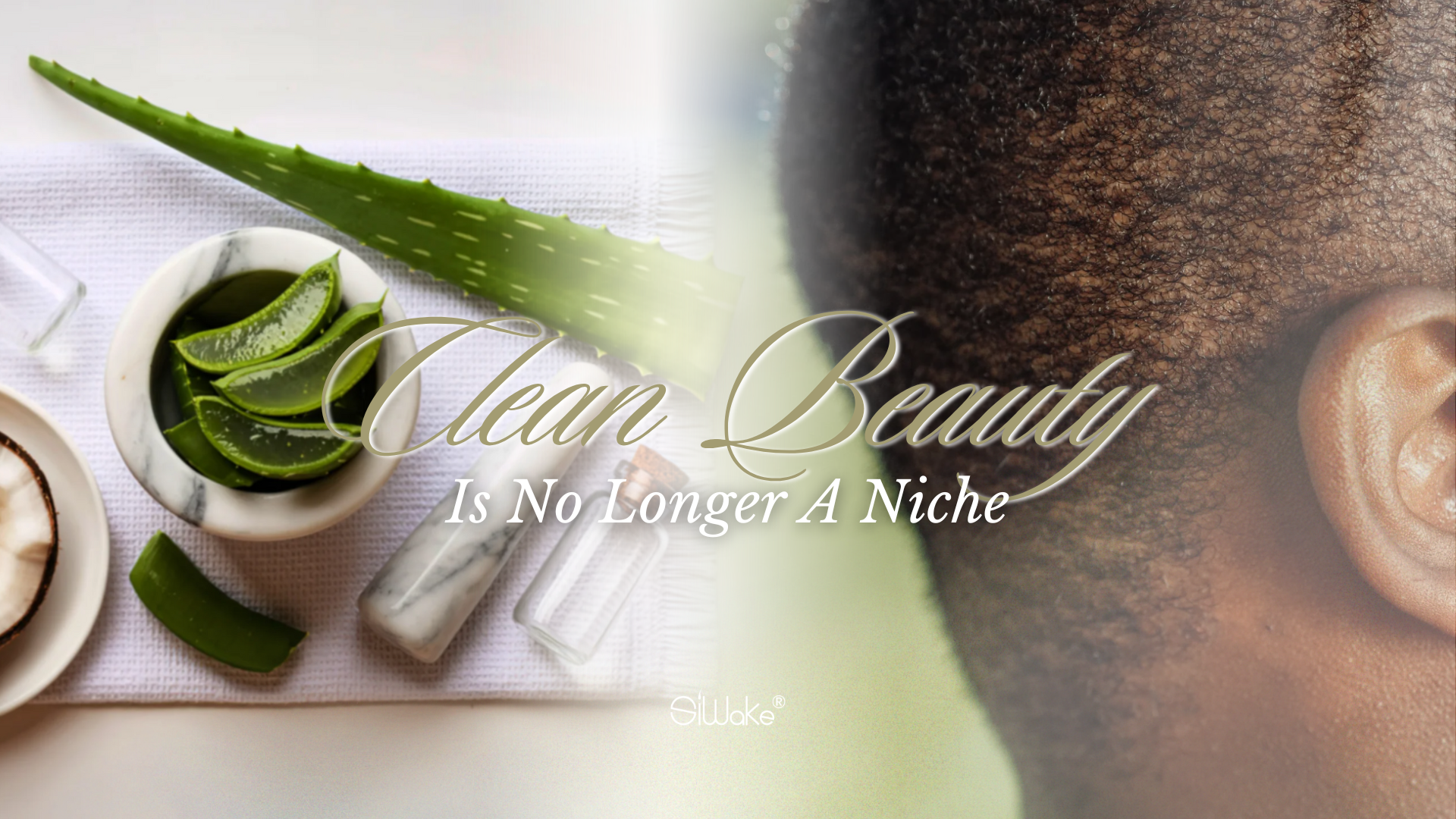
Clean beauty has moved from niche positioning into a central expectation across skincare, haircare, and ingestible beauty categories. For hair supplements, this shift reshapes how brands must design, substantiate, and communicate every formulation decision to professional buyers.
What clean beauty now means
There is still no single legal definition for clean beauty in major cosmetic regulations such as the EU and UK. However, research shows consumers associate clean beauty with safety, sustainability, and ethicality as the three leading attributes.
A recent study among Millennial and Gen Z consumers highlighted sustainability as the top clean beauty attribute. Safety and ethical production followed closely, shaping how younger shoppers evaluate ingredient lists and brand claims.
Consumers also equate clean beauty with reduced use of ingredients perceived as toxic or unnecessary additives. They want short, comprehensible ingredient lists, clear explanations, and avoidance of controversial chemicals or harsh synthetics.
Clean beauty has become mainstream because awareness now influences actual shopping behavior and category growth rates. The same study linked higher clean beauty awareness with more engaged cosmetic shopping and stronger purchase intent.
Additional survey work reports that over sixty percent of consumers consider clean beauty very important when choosing cosmetics. That mindset now extends from skin and haircare into nutricosmetics, functional foods, and hair growth supplements.
Market analysts describe the future of beauty as clean and conscious, not limited to niche premium retailers anymore. Mass, masstige, and professional channels all face rising expectations around transparency, sustainability, and ingredient quality.

Compliance expectations in a clean era
Regulators now expect cosmetic and beauty brands to substantiate all benefit claims with credible evidence or appropriate data. In the EU and UK, claims must be clear, accurate, and non misleading, with proper scientific support behind performance messaging.
Regulation frameworks such as the EU Cosmetic Products Regulation define strict rules for safety assessments and product claims. Brands must ensure that claims relate to cosmetic functions and do not drift into medicinal territory without proper classification.
Hair loss and hair growth products illustrate this borderline challenge between cosmetic, medicinal, and supplement classifications. Regulators scrutinize growth, regrowth, and alopecia related claims to ensure they match the product category and evidence base.
Cosmetic claims must focus on appearance, protection, and maintenance while avoiding disease treatment or cure language. For hair supplements and nutricosmetics, marketers must frame claims around support, strength, density, or vitality instead.
Guidance documents emphasize that every claim must be supported by appropriate tests, clinical trials, or well designed studies. This expectation applies equally to clean beauty products, despite their natural or ethical positioning.
Clean beauty brands also face scrutiny over “natural” and “100 percent natural” phrasing under EU guidance. Use of such terms without accurate composition alignment or certification can be considered untruthful and non compliant.
Consumer perception and trust drivers
Clean beauty perception rests heavily on transparent communication, ingredient clarity, and credible scientific backing. Consumers want to understand what is inside a product and why every ingredient has been included.
Studies show that shoppers buy clean products because they believe these are safer and better for the environment. Those who abstain often do so because they do not fully understand the benefits or criteria behind the claims.
Survey data also indicates that consumers link clean beauty with broader sustainability commitments such as packaging choices. A large majority believe brands should reduce plastic packaging and make environmentally responsible decisions.
Clean beauty consumers no longer accept a trade off between gentleness and visible performance outcomes. They expect measurable results, supported by clinical data or strong ingredient evidence, even from natural leaning formulations.
A review of oral hair growth supplements highlights the importance of scientifically supported actives for real efficacy. Ingredients like collagen, silicic acid, soy isoflavones, and botanical extracts can show performance when correctly dosed.
Brands therefore must integrate performance testing, user studies, and mechanistic data into clean beauty product development. This is especially true for hair growth, where consumers look for visible regrowth, density, and reduced shedding over time.

SiWake® as a clean beauty aligned solution
SiWake® is positioned as a natural hair growth supplement formulated from three scientifically backed active components. The blend combines collagen orthosilicic acid complex, soy isoflavones, and capsicum extract in a patented synergy.
The formulation targets hair follicle function from within to support stronger, fuller, and more resilient hair over time. It is presented as non hormonal, gender inclusive, and suitable for long term use across diverse adult populations.
SiWake® explicitly emphasizes avoidance of synthetic overload, aligning with clean label expectations in beauty from within. Attributes such as being natural, non GMO, and gluten free support positioning within modern clean beauty narratives.
Independent studies cited for SiWake® report significantly higher bioavailability of the combined formulation versus comparators. Data also highlight increased levels of hair growth related hormone IGF I and improvements in hair resistance to stress.
Reported metrics include a large reduction in hair protein loss, indicating stronger hair fiber resilience under physical stress. Additional findings show more frequent significant hair growth among people with alopecia in study conditions.
On the brand site, SiWake® also presents preliminary clinical outcomes on hair root length and follicle diameter.
These performance markers align with consumer expectations for visible and measurable benefits from clean beauty products.
Clean beauty compliance and SiWake®
Because SiWake® is a food supplement and not a topical cosmetic, regulatory frameworks differ from topical cosmetic rules. However, the same principles around truthful, substantiated claims and accurate categorization still apply.
SiWake® avoids medicinal positioning by focusing on hair support, strength, and growth promotion within wellness boundaries. This enables brands using SiWake® to build compliant messaging while differentiating with strong clinical storytelling.
The ingredient’s natural composition and non hormonal positioning help brands avoid controversial substances often flagged in cosmetics. This supports easier alignment with retailer clean standards and internal risk management guidelines.
B2B buyers in the beauty and nutricosmetic space now screen ingredient partners for clean label credentials as standard. They look at supply chain transparency, safety data, and sustainability narratives alongside performance evidence.
With SiWake®, brands receive a single hero ingredient system already backed by scientific data and clinical storytelling assets. This reduces the burden on in-house teams to generate new evidence for hair growth claims from scratch.
The powder format also supports flexible application across capsules, drinks, and functional food beauty concepts. Formulators can adapt dosage and delivery to suit local regulations and consumer habits while preserving the clean narrative.

Translating clean beauty perception into positioning
To position SiWake® effectively within a clean beauty story, brands should emphasize several key pillars for communication. These include natural origin, non hormonal support, evidence based performance, and responsible long term use. Ingredient storytelling should explain why each component appears in the blend and how they work together in synergy. This level of transparency directly addresses consumer demand for clarity and meaningful information.
Marketing narratives should avoid vague claims like “chemical free” and instead highlight concrete, verifiable attributes. Examples include documented clinical endpoints, non GMO composition, and absence of certain controversial ingredients.
Designing claims for clean beauty hair supplements
When using SiWake® in branded products, claim design should start from available clinical and mechanistic data. Brands should align wording with local regulations for supplements, avoiding disease prevention or treatment language.
Statements focused on supporting healthy hair, improving strength, or reducing breakage risk are usually safer directions. Any numerical claims, such as percentages, must reflect actual study outcomes and populations.
Brands should also consider voluntary clean standards, retailer guidelines, and third party certifications where relevant. These can strengthen consumer trust and differentiate offerings in competitive online and offline channels.
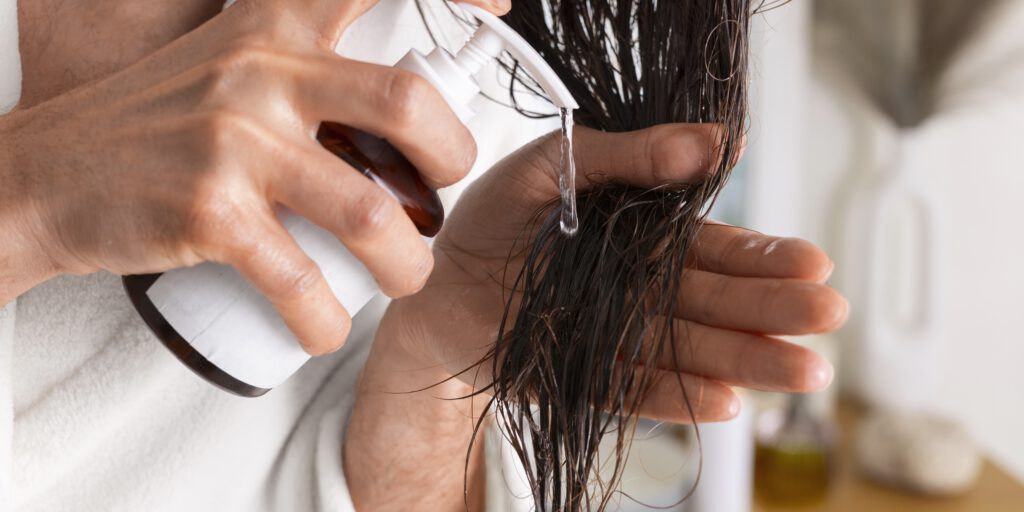
Why clean beauty and performance now converge
The evolution of clean beauty shows that performance and ethics are no longer separate value propositions. Consumers now expect products to deliver strong outcomes while satisfying safety and sustainability criteria.
Studies on hair supplements underscore that evidence based formulations are required to meet rising expectations. Combining thoroughly studied actives into intelligent systems creates a credible foundation for clean beauty promises.
SiWake® demonstrates how a next generation hair supplement can inhabit this intersection of clean, compliant, and high performing. It offers a clear example for formulation teams seeking to future proof their beauty from within portfolios.
Brands that want to remain competitive in beauty from within can no longer treat clean positioning as an optional extra. They must integrate regulatory compliance, consumer perception insights, and performance data into every launch decision.
SiWake® gives formulators a ready made, clinically supported, clean aligned hair growth ingredient system. To explore how SiWake® can power your next generation hair wellness product, contact the SiWake® team via the official website.
References
Adelman, M. J. (2021). Clinical efficacy of popular oral hair growth supplement ingredients and formulations. Journal of Drugs in Dermatology, 20(10), 1060–1068. https://pubmed.ncbi.nlm.nih.gov/33296077/
Champion Co., Ltd. (2024, August 8). Exploring the science behind natural hair health supplements. Champion Biotech News. https://www.champion-bio.com/news-detail/Natural-Hair-Health-Supplements/
CIRS Group. (2025, September 15). Claims and warnings in the EU and the UK cosmetic regulations: A comprehensive guide to compliance. CIRS Group. https://www.cirs-group.com/en/cosmetics/claims-and-warnings-in-the-eu-and-the-uk-cosmetic-regulations-a-comprehensive-guide-to-compliance
CleanHub. (2024). Consumer attitudes towards clean beauty: 2023 survey. CleanHub Insights. https://www.cleanhub.com/clean-beauty-survey
CosmeticsDesign Europe. (2025, September 9). EU bans reshape clean beauty: What formulators must know. CosmeticsDesign Europe. https://www.cosmeticsdesign-europe.com/Article/2025/09/09/eu-bans-reshape-clean-beauty-what-formulators-must-know/
Klee MUS GmbH. (2025). SiWake®: Natural extracts for strength from within. Ingredients Network Product Profile. https://www.ingredientsnetwork.com/siwake-prod1303102.html
Klee MUS GmbH. (2025). SiWake® – Advanced natural hair growth supplement [Product overview]. SiWake®. https://siwake.de
Mintel. (2025, April 8). Conscious cosmetics: The rise of clean beauty. Mintel Beauty and Personal Care. https://www.mintel.com/insights/beauty-and-personal-care/conscious-cosmetics-the-rise-of-clean-beauty/
Shim, J., Woo, J., Yeo, H., Kang, S., Kwon, B., Lee, E. J., Oh, J., Jeong, E., Lim, J., & Park, S. G. (2024). The clean beauty trend among Millennial and Generation Z consumers: Assessing the safety, ethicality, and sustainability attributes of cosmetic products. Sage Open, 14(2). https://journals.sagepub.com/doi/10.1177/21582440241255430
CleanHub. (2024, December 31). Consumer attitudes towards clean beauty: 2023 survey. CleanHub Insights. https://www.cleanhub.com/clean-beauty-survey
Leave a Reply